
Swarms
Do I Have Honeybees?
There are a lot of common insects in British gardens that are frequently mistaken for honeybees (image below left).
Check the images below to determine which type of insect you have in your garden.
Our volunteers are only able to provide assistance in the case of honeybees.

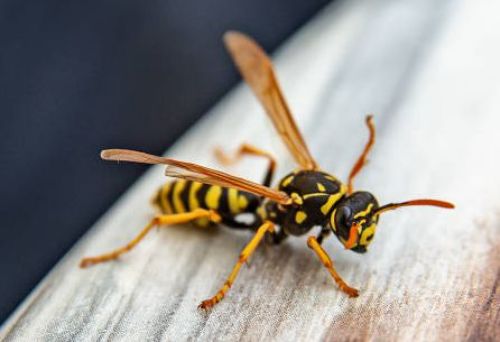
Wasps
An essential pollinator, wasps are a brighter yellow than honeybees and form papery nests that will be vacated at the end of summer. They can get angry if provoked and will need a pest control company to be dealt with if they cannot be left alone.
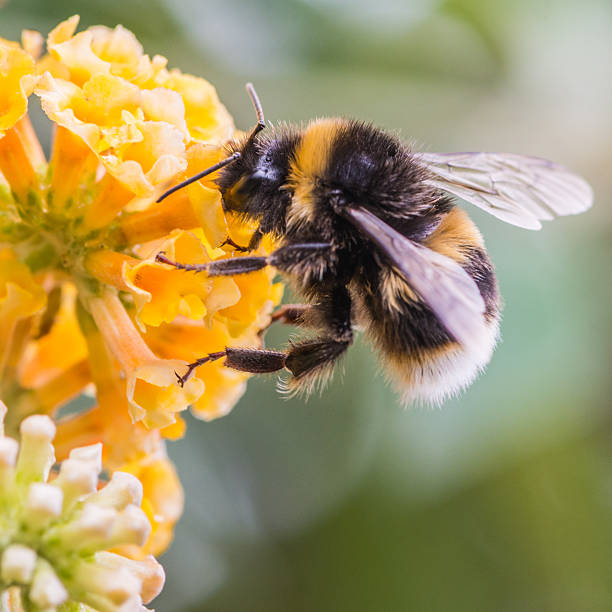
Bumblebees
Larger and fluffier than honeybees. They usually build their nests in holes in the ground or under sheds. These will vacate their nests by the end of the summer. They are an essential pollinators and a pleasure to see around your garden.
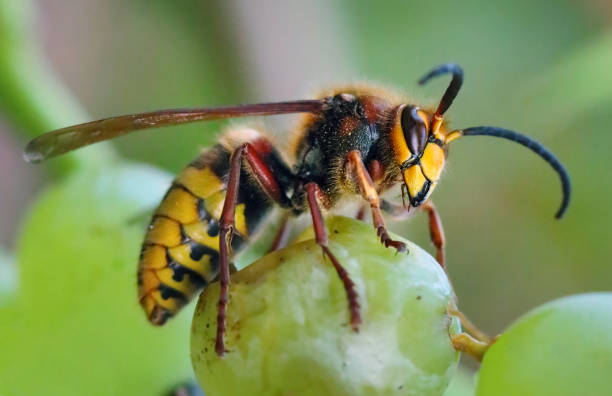
European Hornets
Large, around 1 inch, accompanied by a loud, low buzzing sound. They are not aggressive bee predators, their nests are papery like a wasps and vacated by the beginning of winter. They help to control populations of wasps that pose a greater risk to bees.
Our Area
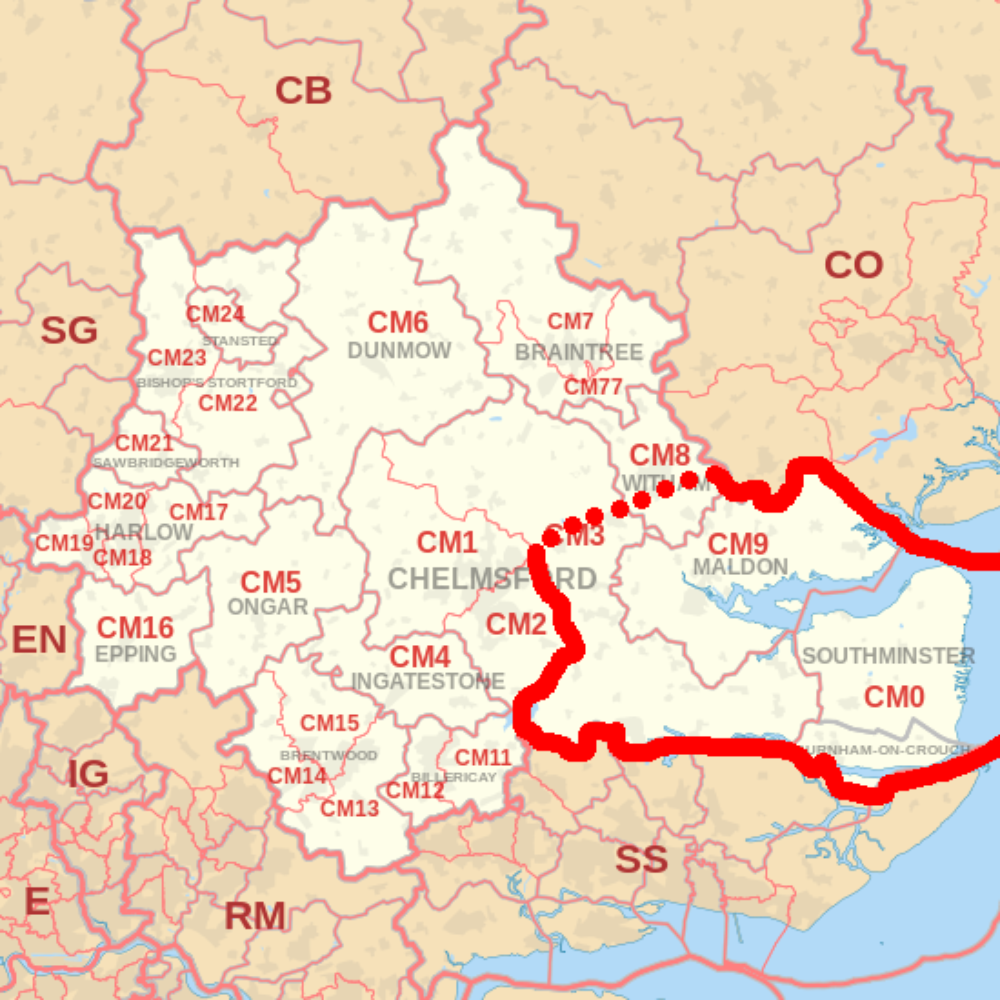
We are one of 8 divisions throughout Essex. Please make sure you are within the Maldon District before contacting us. Below is a link to the EBKA Swarms page to help you find the appropriate division. The image presents an area we cover marked by the red outline, you can check if you fall into our catchment area. If you are unsure please do contact us and we will be happy to point you in the right direction.
Swarm Collection
Do You Have a Honey Bee Swarm That Needs Attention?
If you believe you have a swarm of bees that may require collection, please begin by reviewing the images above to help identify whether they are honey bees. If they are, we 'may' be able to assist you.
Please 'note', we are a charity organisation and our beekeepers are volunteers, we can only collect honeybees 'if' someone is available!
Our Process
- Initial Contact
Reach out to us via Facebook Messenger or our contact form (see bottom of page). - Send Visuals
Please provide clear images and/or a short video of the swarm so we can assess the situation accurately. - Assessment of the Swarm
- If the swarm is not posing a risk or causing a disruption, we recommend leaving it undisturbed. In most cases, honeybee swarms will relocate on their own within 24–48 hours.
- If the swarm does not move on or is creating a nuisance—for example, located in a high-traffic area or preventing you from safely going about your day—we can arrange for earlier intervention.
- Collection and Support
Our experienced swarm collectors will assist where possible. However, please note that during the peak swarm season, availability may be limited. If we are unable to attend, we will do our best to refer you to another reliable collector in your area.
We kindly request a donation of £30-£50 to help cover the collector's time, fuel, and use of equipment. In more complex cases, where extraction is difficult or requires additional effort, this amount may vary.
Bees do not want to harm you. Swarming bees are typically calm and focused on finding a new home. If you come across a swarm, the best thing you can do is leave them alone and observe from a safe distance.
Thank you for your support and for caring about the bees — your help makes a real difference in protecting these vital pollinators!
Contact us about swarms
Our swarms collection team can be contacted
via email or on Facebook Messenger.
We are only able to collect swarms that are easily accessible.
We are only able to collect swarms that are easily accessible.
For colonies that are very high up or inside a building,
more specialist equipment may be required.